China is an important sourcing hub for semiconductors, but distributor names alone do not tell you whether a channel fits your program. Some companies operate broad online catalogues for prototype and small-batch orders. Others are line-card distributors focused on regional OEM accounts. Independent suppliers can help with difficult, obsolete, or allocated parts, but they require a stronger qualification process.
This list introduces 15 semiconductor distributors with a China sourcing presence or China-facing buying route. It is a starting point for supplier screening, not a statement that every company is authorized for every manufacturer or part number. Before issuing a purchase order, verify the exact manufacturer line card, stock location, lot information, packaging, documents, and quality requirements for the order in front of you.
How to choose semiconductor distributors in China
Start with the purchase requirement, not the supplier logo. Send the exact manufacturer part number, approved alternates, package, quantity, target date code, destination, end application, and document requirements. A distributor should confirm whether quoted material is on hand, supplier-held, or subject to allocation.
For production material, ask for current package photos, label details, quantity per reel or tray, lot and date-code policy, packing condition, and available traceability documents before payment. An independent supplier should be evaluated by its process and evidence. It should not be assumed to have manufacturer authorization unless the manufacturer confirms that relationship. This guide focuses on semiconductors; for a broader view of distribution channels and component categories, see our list of electronic component distributors in China.
| Buying situation | Best first route | What to verify |
|---|---|---|
| Prototype or small BOM | Online catalogue distributor | Live stock, MOQ, cut-tape policy, shipping cost |
| Repeat production build | Authorized or franchised channel where available | Exact line card, lead time, allocation and PCN support |
| Obsolete or allocated part | Qualified independent supplier | Chain-of-custody evidence, lot policy, inspection plan, return terms |
| Safety-critical or regulated use | Approved supplier list and manufacturer channel | Customer-specific qualification, documentation, test scope |

1. Duolink Electronics
Duolink Electronics is an independent electronic-component supplier for global buyers seeking semiconductors, ICs, passives, connectors, BOM sourcing, part-number lookup, inventory inquiries, and hard-to-find component sourcing. It is suited to buyers who need a quote review around a specific BOM rather than a self-service catalogue order.
For an RFQ, provide the complete manufacturer part number, quantity, acceptable date-code range, packaging requirement, target application, destination, and any required documents. For multi-line projects, flag sole-source, obsolete, or high-value components early so that lot controls and inspection requirements can be agreed before sourcing begins. See Duolink’s semiconductor sourcing overview and industrial-automation component support.
2. LCSC
LCSC is a China-based online distributor known for a broad in-stock catalogue, online ordering, and support for engineers, makers, and production buyers. Its official site also publishes a manufacturer line-card area, which is useful when checking whether a specific brand relationship is shown for the part you need.
LCSC can be practical for samples, prototypes, and standard production parts that are available in its catalogue. Confirm the exact package, manufacturer, reel quantity, and warehouse dispatch details. Catalogue availability is useful evidence, but it is still worth checking stock status again before a time-sensitive build.
3. WIN SOURCE
WIN SOURCE is an independent electronic-component distributor with a global-facing sourcing model. It is commonly considered for broad part searches, BOM requests, and components that may not be readily available through a single franchised source.
For high-value ICs or older material, ask for supplier-held versus on-hand status, original packaging condition, date code, lot consistency, and the scope of any inspection. Do not treat a web listing as confirmation of available material until the quote identifies the actual supply condition.
4. SEKORM
SEKORM combines component supply with engineering and technical-content resources. Its China platform is relevant to engineers researching devices, reference information, and availability across a range of domestic and international semiconductor brands.
It can be a useful route when a design team needs product information alongside procurement. Buyers should still validate the manufacturer relationship for the exact brand, lifecycle status, lead time, and any required compliance documentation. Engineering information does not replace formal source qualification.
5. HQ Online
HQ Online is a China-focused electronic-components platform and distributor option for buyers looking for a broad catalogue and local market access. It may be useful for standard semiconductors and supporting components when a buyer has already completed part selection.
Use the RFQ to confirm the actual manufacturer, package suffix, stock source, quantity break, and delivery terms. If a component is intended for regulated, automotive, medical, aerospace, or long-life industrial equipment, apply the same supplier-approval process that you would use for any other source.
6. Newlei Electronics
Newlei Electronics is a Shenzhen-based electronics sourcing option that appears in China distributor searches for semiconductors and related components. It may be considered when buyers need local-market quotation support or a second source for a BOM.
Request clear part-number matching and evidence before treating a quotation as production-ready. Review the full suffix, package, temperature grade, lead finish, packaging, lot information, and document availability. If any field differs from the approved BOM, send it to engineering for review rather than accepting a name-only match.
7. WPG Holdings
WPG Holdings is a major Asia-Pacific electronic-component distribution group with businesses serving semiconductor and electronics markets. It is generally relevant to OEM and EMS buyers looking for established regional distribution coverage and manufacturer line-card access.
Ask the local sales contact which operating company supports your account and whether it is authorized for the specific manufacturer and territory. For recurring builds, clarify allocation rules, NCNR terms, forecast expectations, PCN notification path, and whether material will come from an approved regional inventory location.
8. WT Microelectronics
WT Microelectronics is a large electronics distributor with an Asia-focused supply model. It is often relevant when a buyer needs broad semiconductor coverage and regional support for production programs.
Authorization is manufacturer and territory specific. Check the current line card through the manufacturer or WT contact, then confirm the approved part, delivery commitment, packaging, and quality documents. For a new supplier relationship, use a controlled first order before moving a critical production line.
9. Macnica
Macnica is a technology distributor with semiconductor and network businesses. It is particularly well known in Japan and has wider Asia operations, making it a possible route for buyers with regional design-in or supply-chain needs.
Macnica is most useful when technical support, lifecycle planning, and manufacturer relationships matter as much as a spot quote. Confirm the relevant local entity, territory coverage, brand authorization, and program requirements. A relationship listed for one region should not be assumed to apply in another.
10. Avnet
Avnet is a global technology distributor with a broad semiconductor and embedded-solution portfolio. Global OEMs may use it for franchised-channel access, engineering support, and production supply programs, including China-related operations.
Check the supplier line card and the account’s designated sales region before requesting a quote. For production purchasing, align approved-vendor status, delivery terms, forecast, quality agreement, and change-notification process. These items matter more than a one-time unit price when a design moves into volume.
11. Arrow Electronics
Arrow Electronics is a global distributor serving components and enterprise computing markets. It is often considered by OEMs and EMS providers that need manufacturer-supported supply, technical resources, or multi-region procurement coordination.
Use Arrow’s manufacturer and regional channels to verify whether it handles the requested brand and product family. Review exact MPN, package, lifecycle status, lead time, and any export-control requirements. A part family in a catalogue should not replace confirmation of the exact purchasable item.
12. Chip One Stop
Chip One Stop is an online electronic-components distributor associated with Japan’s Macnica group. It provides a web purchasing route for a range of components and is useful when teams need searchable product information and smaller-order access.
Before placing an order, compare the manufacturer name, MPN, package, packing quantity, and delivery estimate with your BOM. If a production line requires date-code control, single-lot material, or specific documentation, state those requirements in writing rather than relying on a standard online checkout flow.
13. Utmel
Utmel is a global-facing independent electronic-component distributor headquartered in Shenzhen. It is typically approached for online part searches, BOM sourcing, and requests involving hard-to-find components.
Independent sourcing can add useful options during shortages, but the buyer should define evidence requirements before accepting the quote. Ask whether stock is on hand, request photos and label details, confirm lot policy, and agree the inspection and discrepancy process. Material for critical applications may require expanded third-party testing or customer approval.
14. UTSOURCE
UTSOURCE is a Shenzhen-based online electronic-component supplier serving buyers who search by part number and purchase small to medium quantities. It can be useful for repair, prototype, and urgent replacement sourcing where availability must be checked quickly.
For production or high-reliability use, distinguish a listing from verified supply. Check the original manufacturer, date code, packaging, condition, photos, and return terms. Screening checks can identify inconsistencies, but they do not prove authenticity on their own. Set an appropriate inspection plan for the part value and end application.
15. Supreme Electronics
Supreme Electronics is a China-market distributor and sourcing option included in many supplier shortlists for electronic components. It may be worth contacting when you need local quotation coverage or a comparison against another Shenzhen source.
Use the same approval standard for every lesser-known supplier: verify its legal entity, quotation validity, stock source, part identity, packing, lot policy, documentation, shipping terms, and after-sales process. Start with a low-risk order where possible, then expand only after the supplier meets your technical and commercial requirements.
What documents should you request before buying?
The required evidence depends on the application. A commercial quotation may be enough for low-risk samples, while production or regulated work may require a certificate of conformance, packing list, lot and date-code details, traceability statement, photos, and customer-approved inspection records. For EU-facing finished products, discuss RoHS and REACH evidence with the manufacturer or responsible supplier. The European Commission’s RoHS guidance and the ECHA REACH information portal explain the regulatory framework, but they do not approve a specific component shipment.
| Check before PO | Why it matters | Escalate when |
|---|---|---|
| Exact MPN and suffix | Similar base numbers can have different packages or grades | Any suffix, package, or manufacturer mismatch |
| Lot and date-code policy | Mixed lots may conflict with customer controls | Single-lot or maximum-age requirement |
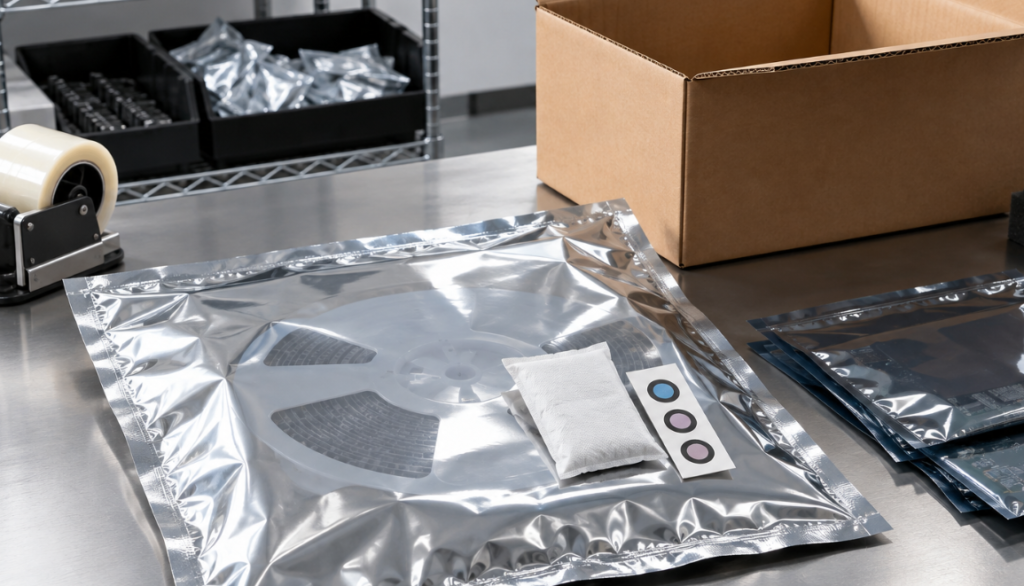
| Packaging condition | Moisture and handling controls can matter for ICs | Opened dry pack, damaged reel, missing labels |
| Documentation | Confirms what records are available, not automatic authenticity | Documents conflict with labels or quote |
| Inspection scope | Aligns risk controls with part value and application | Critical, obsolete, or high-value material |
Conclusion
The best semiconductor distributors in China depend on the order type. LCSC and Chip One Stop can fit catalogue-driven buying. WPG, WT Microelectronics, Macnica, Avnet, and Arrow may fit manufacturer-channel and production programs where the relevant line card is confirmed. Independent suppliers can be valuable for BOM coverage and difficult sourcing when their evidence, inspection, and escalation process meets your risk level.
Duolink Electronics is an independent supplier supporting semiconductor, IC, passive, connector, BOM, inventory, and hard-to-find sourcing inquiries. Send your part number, manufacturer, quantity, date-code requirement, target application, delivery destination, and documentation needs through the Duolink contact for a sourcing review.
Frequently asked questions
Are all semiconductor distributors in China authorized distributors?
No. Authorization is specific to the manufacturer, product line, legal entity, and often the sales territory. Verify it through the manufacturer’s official channel page or written confirmation for the exact purchase.
How can I check whether a quoted semiconductor matches my BOM?
Match the full manufacturer part number, suffix, package, temperature grade, electrical rating, packing form, and lifecycle status. Send any discrepancy to engineering for approval.
Is a certificate of conformance proof that parts are authentic?
It is a useful document, but it is only one part of supplier qualification. Review its source, scope, lot references, and consistency with labels, packaging, and the agreed inspection process.
Should I accept mixed lots for production?
Only if your internal policy and customer requirements permit it. Mixed lots can complicate traceability, incoming inspection, and field-failure investigation.


 English
  German
  Spanish
  French
  Chinese
  Italian