In the procurement of electronic components, the BOM quotation merely seems to involve sending the part numbers to the suppliers and then waiting for the prices and delivery dates. However, in actual operation, wrong packaging, a discontinued model, or inaccurate inventory information can all affect the delivery progress of the entire project, and even lead to delays in re-purchasing and production.
Therefore, when choosing an IC distributor, it is not enough to merely consider who responds faster or offers the lowest price. A truly reliable distributor should be able to carefully verify the BOM information provided by the customer, confirm the manufacturer part number, packaging specification, inventory status, delivery time, and alternative risks, rather than simply quoting based on the list.
Duolink Electronics, as an electronic component distributor, provides services such as BOM sourcing, part number verification, stock checks, and sourcing of hard-to-find components for customers. This article will start from the perspective of actual procurement and introduce to you how to determine whether an IC distributor is reliable, as well as the details that need to be paid attention to before submitting the BOM quotation.
Why the Right IC Distributor Matters for Your BOM
A BOM is not just a list of part numbers
A bill of materials looks simple on the surface. In practice, it carries a lot of hidden detail. Each line represents a specific manufacturer, a specific package, a lifecycle stage, and sometimes a specific date code your engineering team has already tested. Swap any of that quietly, and the board you build may not behave the way your prototype did.
A good IC distributor treats your BOM as a technical document, not just an order form. They read the part numbers, notice inconsistencies, and ask questions before quoting anything. That habit alone filters out a large share of sourcing mistakes before they ever reach your production line.
Small sourcing mistakes can delay the whole project
One wrong package code. One missed lifecycle warning. One quote is based on the wrong revision. Any of these can sit unnoticed for weeks until parts arrive and don’t fit, or worse, don’t perform. By then, you’re reordering, re-testing, and explaining the delay to your own customers.
Manufacturing schedules rarely have slack built in for this kind of surprise. A ten-day sourcing error on one connector can push back an entire shipment, even when every other component arrived on time.
A reliable distributor helps reduce purchasing risk
Component sourcing has become harder to predict over the past several years. The Semiconductor Industry Association has repeatedly pointed to longer, more volatile lead times across the industry, driven by shifting demand and tighter capacity at wafer fabs. That backdrop is exactly why the distributor you choose carries more weight than it used to.
When capacity is tight, distributors with strong supplier relationships and careful verification habits are the ones who can still get you real answers. The ones without that discipline tend to pass along whatever a supplier tells them, accurate or not, and leave you to discover the gap later.

Start with Clear BOM Requirements
Confirm the exact part number, quantity, and package
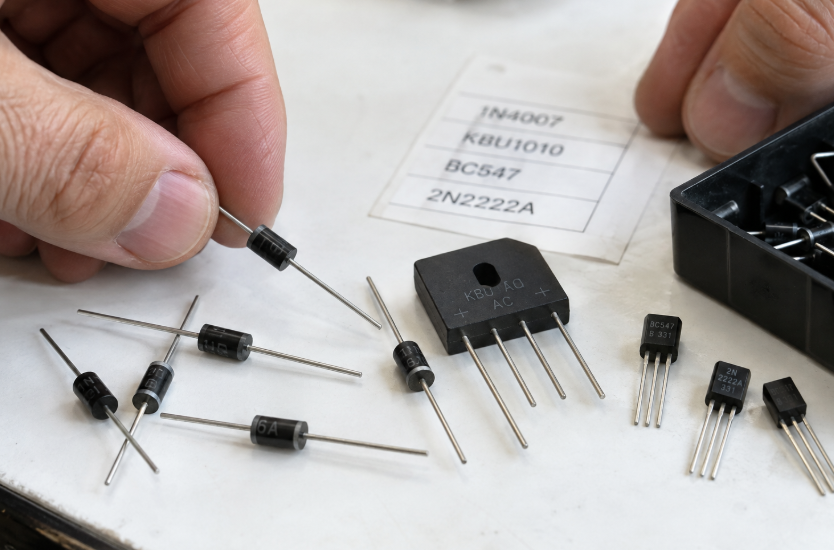
Before you ask anyone to quote your BOM, lock down the exact manufacturer part number for every line, not just a description or a competitor’s substitute code. Include the package type and pin count too. Two chips can share a function and still refuse to sit on the same footprint.
Share your target delivery time and project stage
Tell your distributor when you actually need the parts on your dock, not just when you’d prefer them. A realistic date lets them check factory lead times honestly instead of giving you an optimistic guess that falls apart two weeks later.
Explain whether you need samples, production parts, or replacements
Sample quantities, production volumes, and replacement parts for an existing design all move through different channels. Saying which one you need up front saves everyone a round of back-and-forth and gets you a usable quote faster.
Information Needed: Why It Matters. Exact manufacturer part number prevents quotes on the wrong die revision, package, or grade. Required quantity affects whether a distributor pulls from stock, splits a reel, or places a factory order. Package type and pin configuration: Two parts with the same function can still fail to mount on your board.Target delivery date: Let the distributor tell you honestly if the timeline is realistic. Project stage (prototype, pilot, mass production) shapes whether you need small sample quantities or a steady production supply.
Make Sure the Distributor Checks the Details Carefully
Verify the manufacturer part number before quoting
A dependable distributor cross-checks your part number against the manufacturer’s own database before sending a price back to you. It sounds basic, but plenty of quotes go out based on a quick catalog search rather than a verified match. That shortcut is where wrong shipments start.
Check package type, specifications, and datasheet information
Datasheets carry more than pinouts. Voltage range, operating temperature, and timing specifications all shape whether a part actually works in your design. If you want a refresher on how these specifications differ between chip families, our guide on analog IC versus digital IC design walks through the practical differences engineers run into most often.
Avoid wrong alternatives that only look similar
Some parts look interchangeable at a glance and behave completely differently under load. A careful distributor flags those cases instead of letting a lookalike part slip through. That single habit protects your BOM far more than a fast quote ever could.
Pay Attention to Product Quality and Authenticity
Ask about product source and traceability
Where did this component actually come from? A distributor worth working with can answer that question with specifics: authorized channel, franchised stock, or a documented open-market source with traceability records attached. Vague answers here are a warning sign, not a small detail.
Check basic quality control before shipment
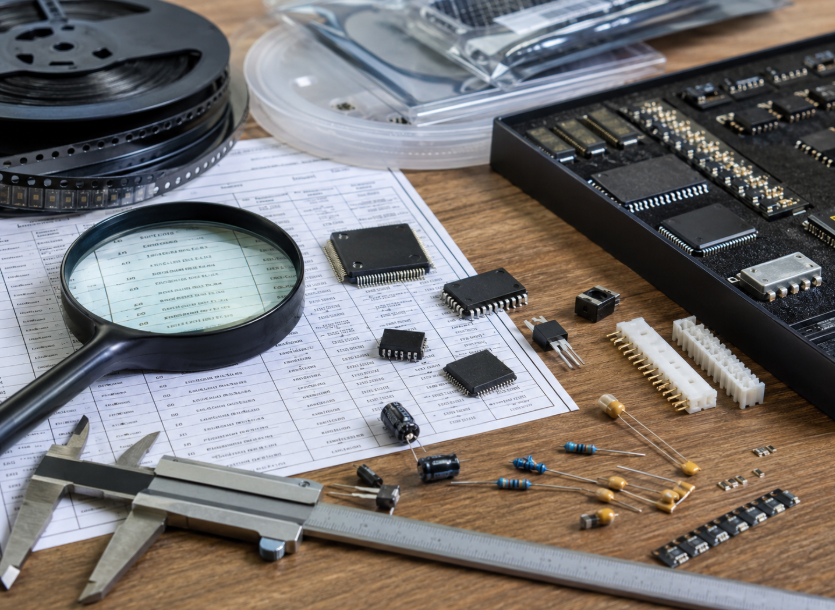
Visual inspection, lead coplanarity checks, and basic electrical testing catch a surprising number of problems before parts ever leave the warehouse. Ask what your distributor actually checks, not just whether they say quality control exists.
Confirm RoHS, lifecycle status, and packaging details
Compliance and lifecycle status matter just as much as the electrical specs. Ask whether the parts meet current RoHS requirements, and whether the part is active, NRND, or approaching end of life. A distributor who tracks lifecycle data closely will tell you this without being pushed, and that habit alone says a lot about how they run their business.
Compare Stock, Lead Time, and Supply Flexibility
Real availability matters more than a quick answer
Anyone can say “yes, we have it” in a chat window. What matters is whether that number reflects actual, allocatable stock, not a figure pulled from an outdated system feed. Ask for a quantity and a warehouse location, then see how quickly and specifically they respond.
Lead time should be clear and realistic
Good distributors give you a lead time with context: factory production time, shipping method, and any known risk factors. Vague promises like “should be quick” tend to unravel right when your schedule can least afford it.
A good distributor can help with shortages and hard-to-find parts
During a shortage, the value of a strong supplier network becomes obvious fast. Distributors with broad manufacturer relationships, including names like Texas Instruments, Analog Devices, and STMicroelectronics, often have more paths to source a hard-to-find part than a single-line reseller ever could.
AreaReliable DistributorRisky DistributorStock answerGives a real quantity and warehouse location. Says “in stock” without checking anything. Lead time states a realistic window and flags risk early. Promises fast delivery for everything, no exceptions. Alternatives compares datasheets before suggesting a replacement. Offers a “similar” part based on price alone.Documentation shares traceability and quality records on request.Cannot explain where the parts came from.
See How They Handle Alternative IC Solutions
Some BOM parts may be out of stock or discontinued
Discontinued components are a normal part of long product lifecycles, not a rare exception. What matters is how your distributor handles it when it happens on your BOM. A good one flags the issue early instead of letting you find out when the order fails to ship.
Alternatives must match key electrical and package requirements
A true alternative matches voltage range, timing, package footprint, and thermal behavior, not just the general part family. If your design uses a microcontroller and you’re weighing options for a redesign, our comparison of microcontrollers versus microprocessors is a useful starting point for understanding what actually needs to match.
Final replacement decisions should be confirmed by your engineering team
A distributor can suggest a strong alternative, but the final sign-off should always sit with your own engineers. They know the design intent and the margins that a datasheet alone won’t show. A distributor who insists on skipping that step is one worth being cautious about.

Conclusion
Choosing an IC distributor isn’t just about who answers fastest or quotes the lowest price. It’s about who checks your BOM carefully, tells you the truth about stock and lead time, and helps you find real solutions when a part runs into trouble. Those habits protect your schedule far more than any single quote ever will.
If you’re currently sourcing electronic components, Duolink Electronics is an independent electronic component distributor supplying integrated circuits, semiconductors, passive components, connectors, and other electronic parts. We support customers with BOM sourcing service work, part number verification, stock checks, and sourcing for hard-to-find components. If this sounds like what your project needs, leave us a message on our website or reach our team directly on WhatsApp through our contact page.
Frequently Asked Questions
What should I include in a BOM quotation request?
You should include the exact part number, quantity, package type, target delivery time, and any special requirements. Clear information helps the distributor quote more accurately.
Why is choosing a reliable IC distributor important?
A reliable IC distributor can help check part numbers, confirm stock, and reduce the risk of wrong parts, delays, or sourcing problems.
Can a distributor help find alternative parts?
Yes. If a part is out of stock or discontinued, a distributor may suggest possible alternatives. However, your engineering team should confirm the final replacement before use.
How can I know if the stock information is real?
You can ask for clear stock quantity, warehouse location, lead time, and basic source information. Reliable distributors usually give specific answers instead of vague promises.
How does Duolink Electronics support BOM sourcing?
Duolink Electronics supports BOM sourcing, part number verification, stock checks, lead time communication, and hard-to-find electronic component sourcing.


 English
  German
  Spanish
  French
  Chinese
  Italian